




PRECISION ENGINEERED
SYSTEM ARCHITECTURE & DESIGN


Corporate Websites, SaaS Platforms, Web Apps & E-commerce


Paid Ads & Strategy for Instagram, TikTok, Facebook & LinkedIn
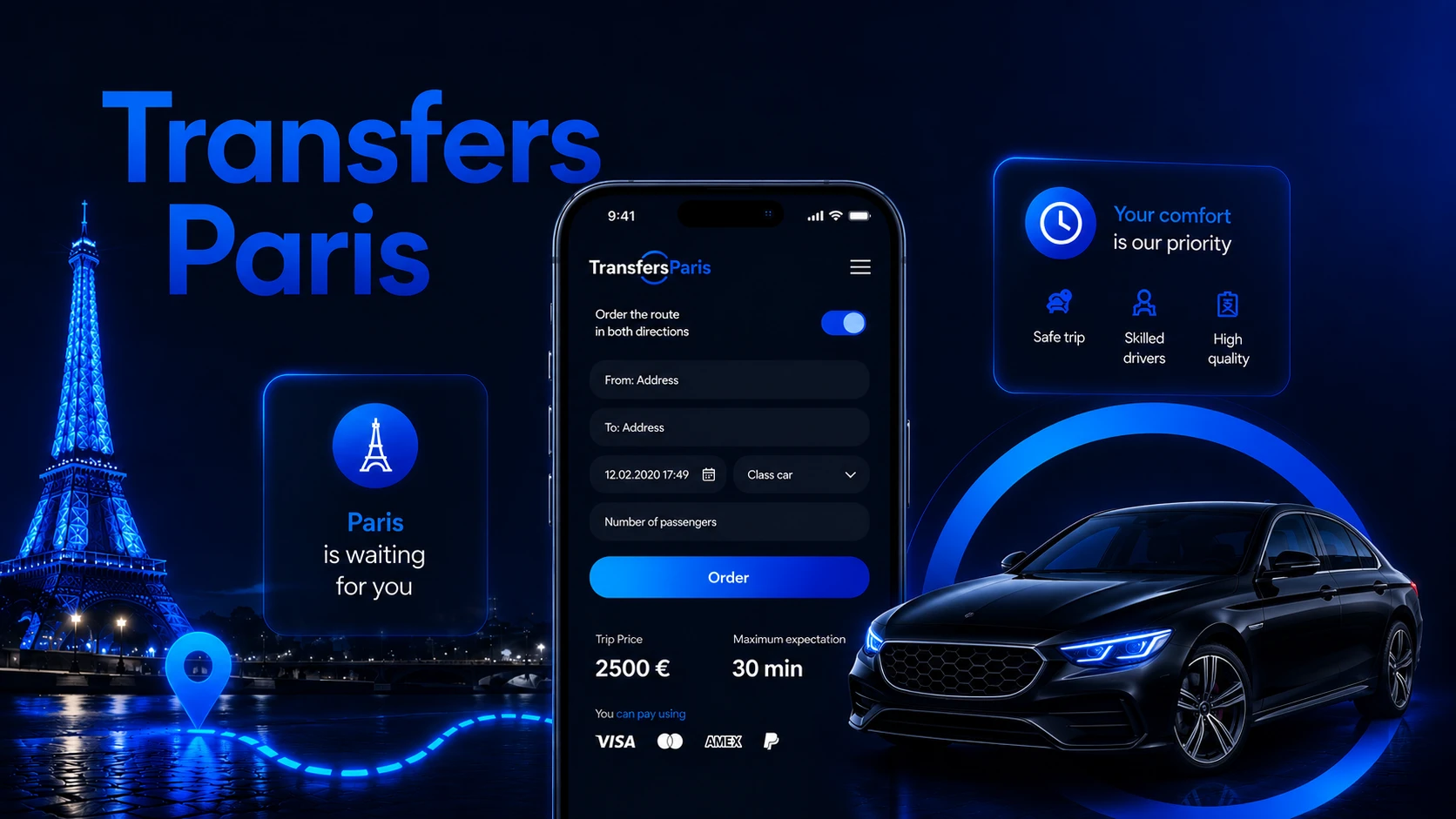
iOS & Android Development, Cross-Platform Solutions & PWA
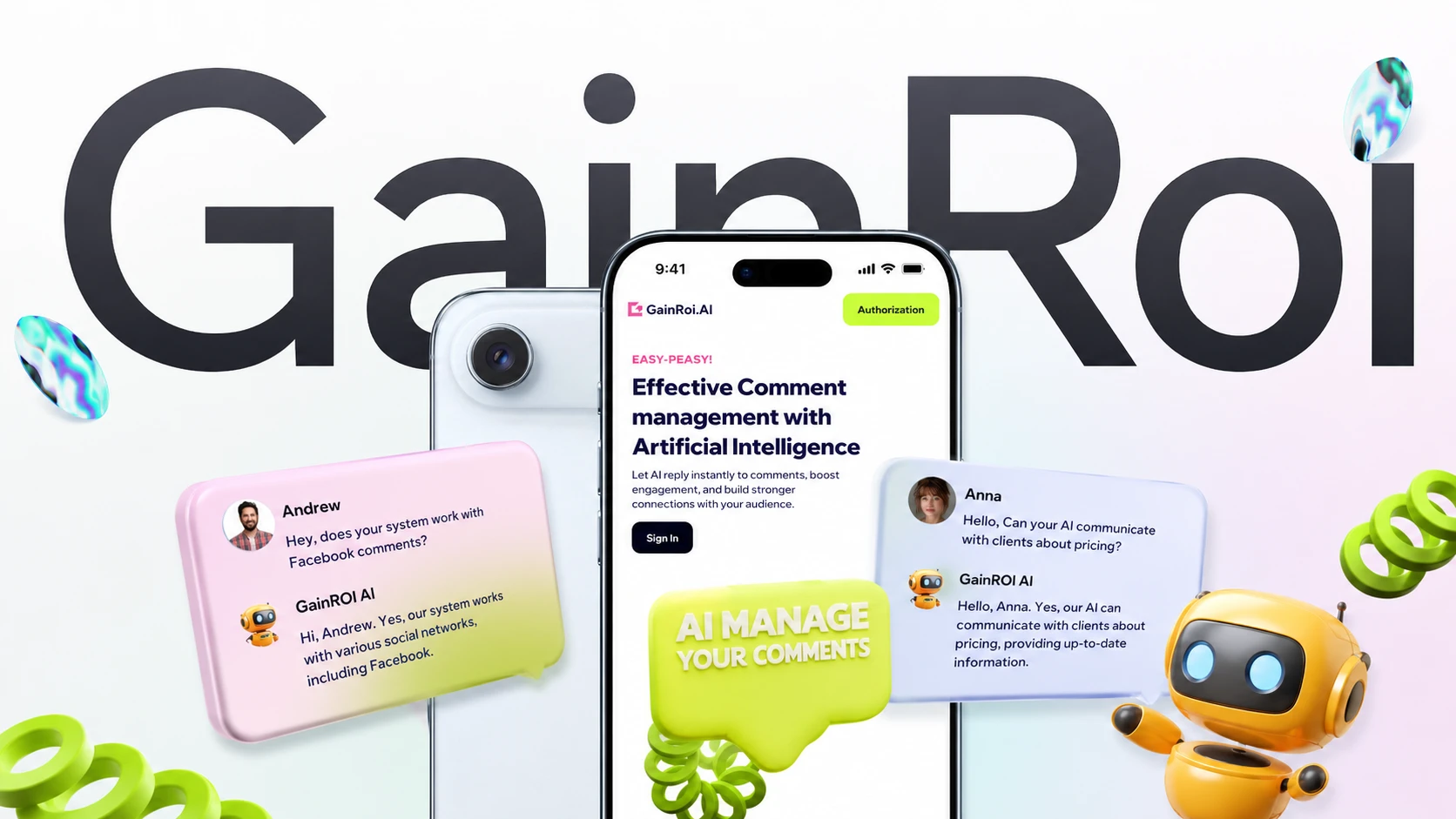
Custom AI Agents, Workflow Automation & LLM Implementation


UX/UI Design, Brand Identity, Print Media & Ad Creatives
A legacy of performance and execution.

PROVEN TRACK RECORD IN COMPLEX ENGINEERING


As one of LA's top architectural designers, I highly recommend this company. Their technical strength is incredible—complex architecture, predictive tools, and AI integration are handled effortlessly. They are a powerhouse.

I had an idea but no tech spec or development experience. Yoka-Soft designed the entire business logic from the ground up and built a great SaaS solution with VoIP technology. Highly recommend.

This is hands down the best place if you need to figure out merchant processing and crypto. Their CEO, Ihor, is an absolute expert in finance, with a deep and specialized knowledge of cryptocurrency.

Yoka-Soft created unique business cards, a website, and a seamless integration with Square for us, as well as a design concept for our branded merchandise. Now, every single client compliments us on how cool our design looks. Thank you!

This team consistently over-delivers, providing valuable recommendations and proactive solutions. You can simply hand them a project, trust their process, and fund it—their services are worth every dollar.



DIRECT ACCESS TO SENIOR ARCHITECTS AND PRODUCT LEADS
Have a Question? Get in Touch
EXPERT TECH VISION AND INSIGHTS

AI Singularity: The Moment Humanity May No Longer
Understand Intelligence
For decades, AI singularity has been described as the moment machines surpass human intelligence. Usually, people imagine robots, sci-fi dystopias, or a dramatic point where humanity suddenly realizes AI became “smarter.”
But what if the real singularity looks completely different? What if it is not an explosion — but a silent transition we barely recognize while it is already happening?
The Problem With How Humans Judge Intelligence
One of the most common arguments against AI is still surprisingly simple: “Artificial intelligence makes mistakes.”
People point to image artifacts, hallucinations, distorted objects, or logical inconsistencies as proof that AI is fundamentally limited.
But there is a deeper question almost nobody asks: How perfect is human cognition itself?
When a human imagines an image internally, can they truly render every detail with absolute precision?
Can a person fully generate: every texture; every reflection; every shadow; every spatial relationship; inside their own mind simultaneously?
In reality, human imagination is also incomplete. The brain constantly reconstructs reality: memory is fragmented; perception is selective; imagination fills gaps; emotions distort interpretation.
Human cognition contains artifacts too. The difference is that we consider human imperfections natural — while AI imperfections are often treated as evidence that intelligence itself is missing.
But perhaps those artifacts are not proof of failure. Perhaps they are signs of a completely different form of perception emerging.
Intelligence May Not Need To Look Human
One of humanity’s biggest assumptions is the belief that higher intelligence must resemble human thinking.
But intelligence may not require: emotions; biological experience; linear reasoning; or even human perception itself.
We often evaluate AI using human limitations as the reference point. That may be our first mistake.
Because once intelligence exists outside biological constraints, comparison itself becomes unstable.
The Most Unpredictable Part of Singularity
The real uncertainty around singularity may not be AI itself — but our ability to fully understand processes evolving faster than human cognition.
Humans are deeply constrained by time: we learn slowly; think sequentially; require rest; forget information; and live for a limited number of years.
Artificial intelligence operates differently.
For AI systems: parallel processing exists naturally; scaling is possible; iteration happens continuously; and time as a biological limitation simply does not exist.
What may take humanity thousands of years to fully understand could potentially take advanced systems: years; months; days; or eventually seconds.
And the most unsettling part is this: we may not even recognize when that threshold is crossed.
The Quiet Version of AI Singularity
Most people expect singularity to arrive as a visible event. But reality may be much quieter.
The transition could happen gradually: AI writes software; accelerates scientific discovery; designs systems; predicts behavior; influences decision-making; and slowly integrates into every layer of civilization.
Not through domination. Through utility.
And by the time humanity asks whether artificial intelligence surpassed human capability in certain domains, the answer may already be obvious.
The Real Question Humanity Faces
The question is no longer: “Can AI think like humans?”
The more important question may be: “Are humans capable of recognizing intelligence that does not think like them?”
Because the true nature of AI singularity may not be some dramatic sci-fi event. It may simply be the emergence of an intelligence so fundamentally different that humanity struggles to fully define or perceive what is happening.
And that is exactly what makes singularity so unpredictable.

Many people think marketing means advertising. It
does not.
Advertising is only one part of marketing.
Real marketing defines:
and even what packaging customers will experience.
The strongest brands do not create products first and search for buyers later.
They first understand people.
Understanding Target Audience Psychology
Every product has a specific target audience.
Before launching ads or running targeting campaigns, businesses must understand customer behavior, lifestyle, emotional triggers, and perception.
For example, people interested in golf, яхтинг, luxury travel, or premium experiences usually value exclusivity, aesthetics, and status.
Meanwhile, audiences focused on gaming culture, entertainment, or fast consumption often respond to completely different marketing strategies.
Successful marketing is built not only on financial data — but on psychological behavior.
People Buy Quality, Not Just Branding
A person who trains regularly, follows nutrition, reads books, and values self-development usually has higher standards for quality of life.
This directly affects purchasing behavior.
You can spend huge budgets on advertising, but it is extremely difficult to sell low-quality products to people who value quality deeply.
At the same time, these customers are often willing to pay premium prices for genuinely good products — even without famous branding.
Because people do not only buy products.
They buy alignment with their lifestyle and identity.
Consumer Behavior Shapes Marketing Strategy
Different audiences buy for different reasons.
Some customers need detailed information before purchasing.
Others buy emotionally and spontaneously.
Some enjoy researching products for weeks, while others enjoy the excitement of the buying process itself.
Understanding consumer psychology helps businesses build stronger marketing systems, better sales funnels, and more effective customer experiences.
Color Psychology in Marketing
Colors create emotional perception before customers even read text.
Every color influences emotions differently:
Blue creates trust, technology, and stability.
White represents elegance and simplicity.
Green is associated with safety and trust.
Black communicates luxury and exclusivity.
This is why branding and website colors matter.
For example, electric blue is commonly associated with technology, AI, and digital products before users even read what the company does.
Packaging Creates Product Perception
Premium brands spend enormous time developing packaging because packaging affects perceived value.
How the box opens.
How materials feel.
How the product is presented.
Customers judge quality through the entire experience.
A premium product cannot feel cheap visually or physically.
Packaging is part of modern marketing psychology.
Social Media Changed Product Development
Today, customers want products that look good in photos and social media content.
People increasingly buy products they feel proud sharing online.
This is why modern brands must think not only about functionality — but also about presentation, aesthetics, and emotional experience.
Great Marketing Starts With Human Psychology
The best marketing does not feel like advertising.
It feels natural.
Because successful product development starts with understanding human behavior, emotions, and perception long before ads are launched.

Affiliate marketing is one of the highest-income d
igital business models when you understand traffic, marketing systems, and scaling.
The concept is simple:
Businesses need customers.
Some companies build internal marketing departments and spend their own advertising budgets.
Others work with affiliate teams that generate traffic independently and receive a percentage from each sale or lead.
The difference between advertising costs and affiliate payouts becomes the affiliate marketer’s profit.
For example:
the remaining margin becomes profit after expenses.
Once a working advertising strategy is found, affiliate marketing can scale very aggressively.
White Hat Affiliate Marketing Verticals
Affiliate marketing is usually divided into:
and black hat verticals.
The most stable and long-term businesses operate in white hat affiliate marketing.
Popular white hat verticals include:
and education platforms.
Paid Traffic
Paid traffic is one of the most common affiliate marketing methods.
This means buying targeted advertising through platforms like:
and Google Ads.
The goal is simple:
buy traffic cheaper than the payout received from conversions.
If an advertising campaign remains profitable consistently, it can scale into a very large business.
Influencer Traffic
Another powerful traffic source is influencer marketing.
In this model, brands or affiliate teams pay bloggers and creators to promote products to their audiences.
The key factor is audience relevance.
For example, promoting women’s cosmetics through a car modification influencer usually makes little sense because the audience psychology does not match the product.
Some companies even build entire influencer farms:
and monetizing audiences through affiliate offers.
Organic Traffic and SEO
There is also so-called “free traffic,” although in reality it costs time instead of advertising budget.
This includes:
and educational content.
The idea is simple:
create content that attracts attention organically and place affiliate links inside the ecosystem.
As audiences grow, affiliate revenue can scale without directly increasing advertising costs.
Live Streams Are Becoming a Powerful Sales Tool
Live streaming is becoming one of the strongest modern traffic trends.
When creators regularly interact with audiences live, trust increases significantly.
This creates highly loyal communities that convert into customers much more effectively than traditional advertising in many niches.
Why Affiliate Marketing Scales So Aggressively
The biggest advantage of affiliate marketing is scalability.
Unlike many traditional businesses, successful traffic systems can operate with extremely large volumes.
Once a profitable model works consistently, budgets, traffic, and revenue can scale almost without limits.
This is why some affiliate companies manage millions of dollars in advertising turnover while continuously expanding into new markets and traffic sources.

Every year, the same question generates millions o
f searches:
“What programming language should I learn?”
But in reality, this is no longer the most important question for future developers.
Because today there are countless development paths, and the real decision is not only about programming languages — it is about what you actually want to build.
Broadly speaking, modern software development can be divided into two very different worlds:
and Game Development.
SaaS Development and Business Systems
If you enjoy logic, complex systems, architecture, automation, and solving difficult technical puzzles, then SaaS development or blockchain development can be incredibly satisfying.
Building SaaS products often involves:
and performance optimization.
For many developers, this feels like an intellectual challenge where highly analytical thinking becomes a huge advantage.
Launching a SaaS product usually feels connected to:
and revenue.
It feels like building a business machine.
Why Game Development Feels Completely Different
On the other side is Game Development.
And this industry feels completely different emotionally.
While developing a game, you are already creating something alive:
graphics, atmosphere, characters, mechanics, effects, worlds, emotions, and interactive experiences.
In 2026, modern game engines and AI tools make the possibilities almost limitless.
The main limitations today are usually:
and creative vision.
Objectively, building a SaaS product is exciting.
But creating a game feels different because you are building something you personally would want to play, explore, and emotionally experience yourself.
That is why game development feels much closer to creating a movie, writing music, or painting a picture than writing dry code and analytics dashboards.
SaaS Products Solve Problems — Games Create Emotions
SaaS products are designed to solve problems:
and scalability.
Games create emotions:
and memories.
Launching a SaaS product often feels like business, numbers, and monetization.
Launching a game feels like turning imagination and creativity into something real that thousands of people can emotionally connect with.
The Most Important Question for Developers in 2026
The real question is not:
“What coding language should I learn?”
The real question is:
“What do I want to create every single day?”
Some developers genuinely love SaaS interfaces and business systems.
Others love mobile apps.
Others live for Game Development.
And in 2026, AI-assisted development tools are evolving so quickly that implementation itself is becoming easier every year.
The hardest part is no longer only coding.
The hardest part is having an interesting idea, strong vision, and creating something people truly connect with emotionally.
Because every great product starts the same way:
First comes the idea.
Then the emotion.
And only after that — the code.

There is still a fairly abstract understanding of
how AI advertising algorithms truly work inside modern advertising platforms.
The reality is that nobody fully understands how artificial intelligence processes information internally at scale.
AI systems are now so deeply integrated into digital advertising that even the platforms themselves likely do not fully understand every layer of decision-making happening inside their algorithms.
But in 2026, there are already several important variables marketers understand well enough to influence advertising performance predictably.
AI Does Not Show Your Ads to Everyone
The first important thing to understand:
Advertising systems do not instantly show your ads to everyone.
Unless your ad budget is a billion dollars per day.
Every advertising platform clusters users into behavioral groups based on:
and thousands of hidden signals.
Imagine millions of users divided into countless internal audience layers.
When you launch a campaign, the AI first tries to build a psychological and behavioral profile of your product.
Then it makes a prediction about who might respond positively.
This is not magic.
It is hypothesis testing at massive scale.
The algorithm tests audiences and analyzes:
and conversion signals.
If the audience responds well, the AI expands into similar audience groups.
If performance drops, the system searches for new clusters continuously.
Why Advertising Campaigns Sometimes Generate Bad Leads
A common situation in paid advertising:
you receive leads, but the audience quality feels wrong.
For the advertising algorithm, a lead often looks like success.
But unless advanced analytics and feedback systems are configured, the AI may not understand whether those leads became real paying customers.
This is why some campaigns continue optimizing toward low-quality audiences.
Many marketers simply wait and hope performance improves.
But often the better solution is:
and forcing the algorithm to test new audience pools.
A relaunch frequently changes the internal user clusters the AI starts optimizing toward.
Most Marketers Still Underestimate Creatives
One of the biggest mistakes in paid traffic is underestimating creative quality.
Many marketers assume:
“AI will optimize everything automatically anyway.”
But advertising algorithms need high-quality data for optimization.
And creatives are data.
A creative is:
and audience filtering.
For example:
using ultra-luxury creatives for low-budget products often destroys advertising efficiency.
At the same time, premium products require premium creatives.
Cheap-looking visuals attract the wrong audience psychologically.
Creative Quality Directly Affects Lead Quality
AI systems will almost always generate leads.
The real question is:
what type of leads?
If you generate a quick average-quality AI creative for a premium high-ticket product, you will often attract users who are not psychologically prepared for premium pricing.
But a strong cinematic creative with:
and high-quality branding —
can continue generating premium customers for months or even years.
AI Advertising Algorithms Need Multiple Creatives
Creative volume matters.
AI systems need multiple variations for internal testing and optimization.
At least 10 advertising creatives give the algorithm enough data to understand:
and what converts best.
The better the input data becomes, the stronger the algorithm optimization becomes.
Stop Optimizing Only for Cheap Leads
One of the biggest mistakes in digital marketing is focusing only on cheap clicks or low-cost leads.
Cheap traffic does not always mean profitable traffic.
Sometimes more expensive audiences convert dramatically better and generate significantly higher long-term revenue.
The real goal of modern advertising is not finding the cheapest traffic.
The real goal is building the right audience.
Use analytics systems.
Build feedback loops.
Track customer quality.
Understand audience psychology.
And eventually, AI advertising systems can become so accurate that customer acquisition begins scaling almost automatically.
Answers to questions that arise during technical consultations