In 2026, AI functions as a multimodal operational engine. True automation means deploying technology across four critical business pillars to eliminate bottlenecks:
Multichannel Voice & Chat Agents: AI handles end-to-end communication across websites, social media, and messengers. Advanced architectures combine text and voice models, allowing autonomous agents to conduct natural phone conversations with clients, ensuring zero missed leads 24/7.
Real-Time Visual Engineering: AI serves as an instant visual configurator. Whether it is virtual try-ons for e-commerce, real-time color re-wrapping for automotive detailing, or 3D spatial modeling, complex visual assets are rendered in seconds, turning abstract pitches into immediate reality.
Instant Data & Analytics Engines: Data aggregation that once required an entire department for weeks is executed in seconds. AI processes massive datasets to map consumer trends and generate precise recommendations, providing executives with flawless data for final decision-making.
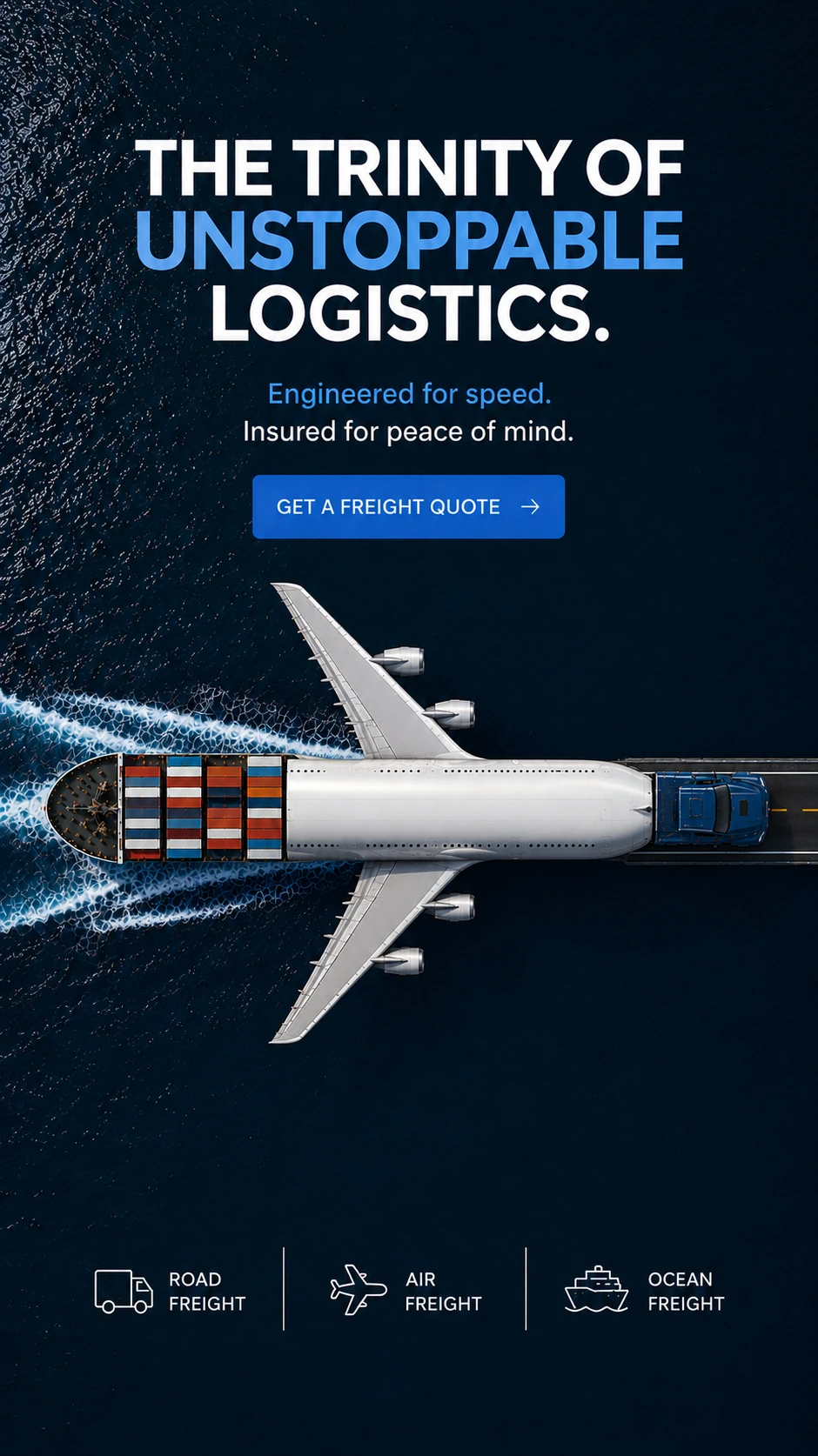
Accelerated Content Production: While emotional storytelling and core concepts must always originate from human imagination, AI compresses the execution phase exponentially. High-fidelity, viral video content that used to require months of production is now engineered and rendered in days.
The Bottom Line: AI does not replace human strategy; it replaces operational friction. By automating data processing and asset rendering, human talent can focus entirely on high-level conceptual development and closing deals.